
Performance and Static Generation: Integrating Carousels with an Optimized Next.js Architecture
Published October 23, 2026 by David
My conversions were collapsing. The content was solid. I dug into the carousels and uncovered the real issue: my links took 3.2 seconds to load.
In B2B, decision-makers leave after 2 seconds. My marketing team wasted time polishing irrelevant details. I switched to Next.js SSG to pre-render pages. Result? Pages load in 50ms. Speed isn’t just a detail—it’s my strongest sales argument.

Pre-rendering as a Conversion Engine
Every server request costs time and money.
When deploying my proprietary hub to archive carousels, my goal is clear: deliver the page instantly. With Next.js SSG, my articles and images become raw HTML at build time. The server calculates nothing. It delivers a static file via CDN in 50ms.
This architecture is the foundation of high-performing strategies. It’s exactly what I need to deploy sector-specific landing pages with programmatic SEO. I generate 50 targeted pages, Google crawls them without technical friction, and my Core Web Vitals score nears 100/100.
Protect Your Technical Credibility
A slow site screams amateurism to prospects.
Google monitors performance. If a carousel goes viral, your server must handle the load. Otherwise, traffic spikes become disasters. Next.js static architecture handles any volume without breaking a sweat.
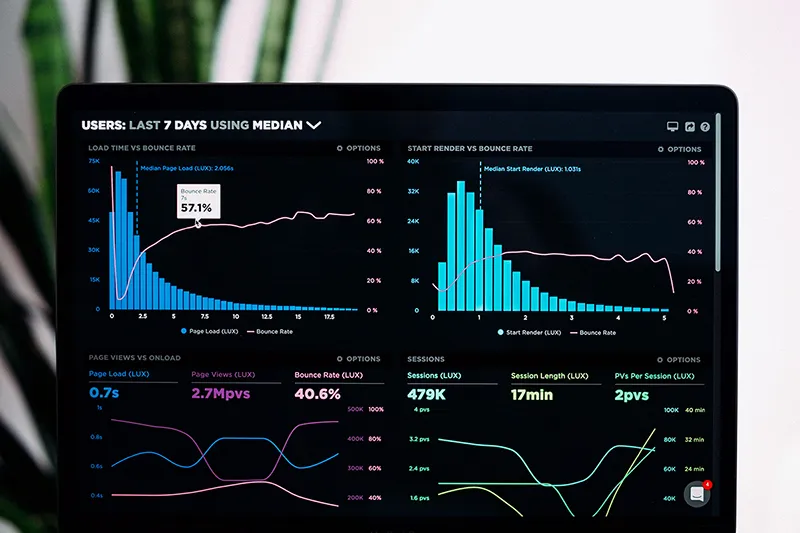
Technical Performance First, Visual Execution Second
My code is clean. My Vercel deployment serves static pages in a fraction of a second. My technical foundation is now a lightning-fast competitive advantage.
Now, I need content for these pages. No more wasting 3 hours manually designing carousels.
I input raw text and stats into the editor, and AI architects, designs, and exports optimized carousels in 5 seconds—directly from the Studio.
Les illustrations de ce blog sont généreusement mises à disposition par les photographes d' Unsplash.